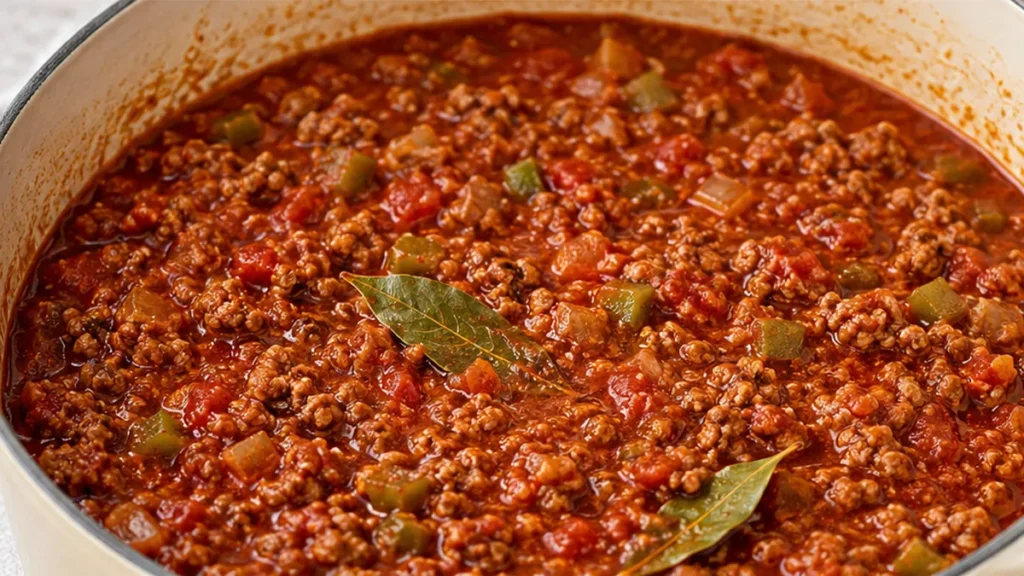
This gluten-free spaghetti sauce recipe focuses on fresh ingredients for a rich, homemade flavor. Using ripe tomatoes and fragrant basil, it’s a simple yet deeply satisfying dish.
Key takeaways
- Thoroughly brown the ground beef to develop deep, savory flavors through the Maillard reaction.
- Sauté onions, peppers, and garlic until softened to build a sweet and aromatic base.
- Simmer the sauce gently for at least 30 minutes to allow flavors to meld and deepen.
- Use sugar to balance the acidity of the tomatoes, enhancing the overall taste.
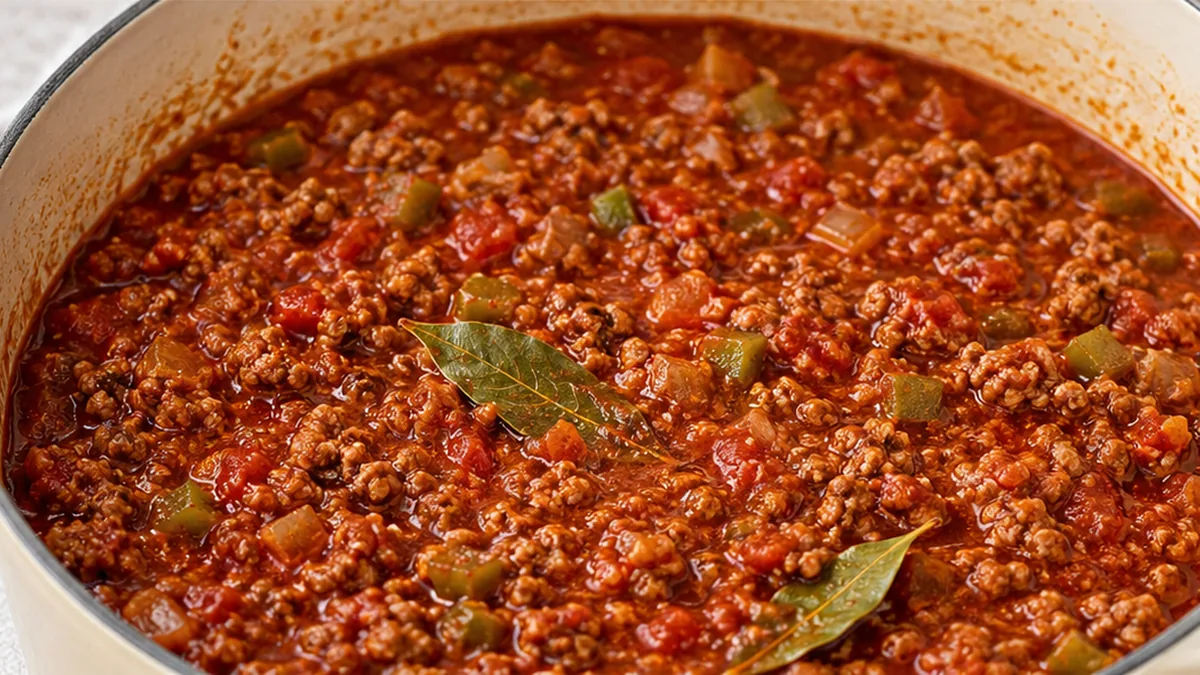
Best Gluten-Free Spaghetti Sauce Ever!
Ingredients
Method
- In a large pot, add the ground beef, onions, and peppers. Cook over medium-high heat, breaking into small pieces, until the meat is no longer pink, 6-7 minutes. Drain excess grease.
- Add the garlic and tomato paste and cook, stirring constantly for a minute or so.
- Pour in the crushed tomatoes, marinara sauce, Italian seasoning, bay leaves, and sugar.
- Bring to a boil then reduce the heat to medium-low. Simmer for 30-45 minutes, stirring occasionally.
- Remove the bay leaves and season to taste with salt and pepper before serving. Enjoy!
Notes
– For a richer flavor, let the sauce simmer for at least 45 minutes, allowing the flavors to meld beautifully. I’ve found that patience here truly pays off with a more complex taste.
– This gluten-free spaghetti sauce can be stored in an airtight container in the refrigerator for up to 3-4 days, or frozen for up to 3 months. Thaw overnight in the fridge and reheat gently on the stove. Nutrition information is an estimate, calculated automatically. Values vary with brands, substitutions and portion sizes.
The Technique That Makes It: Flavor Layering and Simmering
The secret to this exceptionally flavorful gluten-free spaghetti sauce lies in a two-pronged approach: building deep flavor through the Maillard reaction and allowing time for the ingredients to meld during a slow simmer. Browning the ground beef thoroughly is crucial. This isn’t just about cooking the meat; it’s about developing complex, savory notes through the Maillard reaction, where amino acids and reducing sugars interact under heat to create hundreds of new flavor compounds. Don’t overcrowd the pan, as this will steam the meat instead of browning it, leading to a less intense flavor. Similarly, sautéing the onion, bell pepper, and garlic until softened and slightly caramelized further enhances the aromatic base, releasing their natural sugars and sweetening the sauce. The addition of tomato paste and cooking it briefly before adding the liquids intensifies its umami character. Finally, the long, slow simmer is essential for gluten-free spaghetti sauce. This low-and-slow cooking allows the flavors from the meat, vegetables, tomatoes, marinara, and seasonings to meld and deepen. It also helps to break down the crushed tomatoes further, creating a smoother, more cohesive sauce texture. The bay leaves, while contributing subtle aromatic notes, also add a layer of complexity that develops over time.
Troubleshooting
- Problem: Sauce is too acidic or sharp. Fix: Stir in the granulated sugar. It balances the acidity of the tomatoes without making the sauce overtly sweet. You can also add a tiny pinch more sugar if needed, tasting as you go.
- Problem: Sauce tastes bland or one-dimensional. Fix: Ensure the ground beef was browned properly and the aromatics (onion, pepper, garlic) were sautéed sufficiently. You may also need to increase the Italian seasoning slightly or add a pinch of salt and freshly ground black pepper to enhance overall flavor.
- Problem: Sauce is too thin. Fix: Simmer the sauce uncovered for an additional 15-30 minutes, stirring occasionally, to allow excess liquid to evaporate. Alternatively, you can create a slurry with 1 tablespoon of cornstarch or gluten-free flour mixed with 2 tablespoons of cold water and stir it into the simmering sauce until thickened.
- Problem: Meat is dry or crumbly. Fix: This usually happens from overcooking the beef initially or stirring too vigorously. Ensure you are browning the beef without breaking it up too much, and then let it simmer gently rather than boil.
Substitutions
- Ground Beef: Substitute with ground turkey, chicken, or Italian sausage (check for gluten-free if using sausage). The flavor profile will change slightly, with turkey/chicken being leaner and potentially less rich, while sausage will add its own distinct spice notes.
- Green Bell Pepper: Use red bell pepper or a poblano pepper for a slightly sweeter or spicier alternative, respectively. The core aromatic function will remain similar.
- Store-Bought Marinara Sauce: Replace with an equal amount of your favorite gluten-free pasta sauce or an additional 26-ounce can of crushed tomatoes, but you may need to adjust seasonings (like Italian seasoning and sugar) to compensate for the missing flavor base.
- Italian Seasoning: If you don’t have a blend, create your own by combining dried oregano, basil, thyme, rosemary, and marjoram in roughly equal parts.
Pro tips
- When cooking the ground beef, ensure it reaches an internal temperature of 160°F (71°C) to ensure it’s fully cooked and safe.
- For a richer flavor, let the sauce simmer for at least 45 minutes, allowing the flavors to meld beautifully. I’ve found that patience here truly pays off with a more complex taste.
- This gluten-free spaghetti sauce can be stored in an airtight container in the refrigerator for up to 3-4 days, or frozen for up to 3 months. Thaw overnight in the fridge and reheat gently on the stove.
This gluten-free spaghetti sauce is a simple yet profoundly satisfying dish. Try it out for your next family dinner and share your favorite serving suggestions!
Frequently asked questions
Can I make this sauce ahead of time?
Yes, this gluten-free spaghetti sauce can be made up to 3 days in advance. The flavors actually improve as it sits. Reheat gently on the stovetop, adding a splash of water or broth if it has thickened too much.
What kind of gluten-free pasta works best with this sauce?
Any gluten-free spaghetti or linguine will work well. Lentil, chickpea, or brown rice-based pastas are excellent choices as they hold up well to hearty sauces and provide additional protein and fiber.
How can I make this sauce vegetarian or vegan?
To make this vegetarian, omit the ground beef and increase the vegetables, perhaps adding mushrooms or zucchini. For a vegan version, use plant-based ground ‘meat’ or extra vegetables and ensure your store-bought marinara sauce is vegan.
Is it okay to freeze leftover sauce?
Absolutely. This sauce freezes beautifully. Let it cool completely, then store it in airtight containers or freezer bags for up to 3 months. Thaw overnight in the refrigerator and reheat as usual.
Try this next: Gluten-Free Artisan Pizza: Taste the Magic!
More from Gluten-Free Pasta & Pizza →