Creating top cookie recipes has been my passion since that first disastrous attempt at American-style cookies in my tiny Lyon apartment fifteen years ago. Grand-mère Marguerite had taught me to create perfect petits sablés with mathematical precision, but these “chocolate chip cookies” from my American roommate’s recipe seemed chaotically forgiving. The dough looked lumpy, the measurements used “cups” instead of grams, and worst of all, they were supposed to look “slightly underdone” when removed from the oven.
But when I tasted that first warm cookie – crispy edges melting into a chewy center, pockets of melted chocolate creating sweet surprises – I understood that I’d been thinking about cookies all wrong. This wasn’t about architectural perfection; it was about creating edible comfort through top cookie recipes that prioritize soul over structure.
Years later, after moving to Chicago and marrying Jake (who still insists his grandmother’s oatmeal cookies represent the pinnacle of top cookie recipes), I’ve discovered that the best cookies blend French precision with American heart. In our Wicker Park kitchen, I’ve spent countless Saturday mornings perfecting top cookie recipes that honor both traditions, creating formulas that work reliably for busy American families while maintaining the quality standards I learned in France.
On This Page
Essential Cookie Mastery Guide
Perfect top cookie recipes require understanding three fundamental elements: ingredient behavior, mixing techniques, and baking science. Each cookie type – whether you’re crafting best chocolate chip cookies or delicate 3 ingredient sugar cookies – follows specific principles that determine final texture and flavor.
Camille’s Tip: The secret to consistent top cookie recipes lies in ingredient temperature control. I keep a kitchen thermometer specifically for checking butter temperature – it should yield to gentle pressure but not leave fingerprints when pressed.
What is the #1 Cookie in the World?
Through my years teaching baking workshops in Chicago, I’ve discovered that chocolate chip cookies reign supreme globally, making them essential in any collection of top cookie recipes. The science behind their popularity fascinates me – the combination creates perfect flavor balance where sweet dough provides base comfort while chocolate adds complexity and richness.
The magic happens during baking when sugars caramelize slightly, creating depth, while chocolate pieces maintain distinct flavor pockets. This textural variety – something we call contraste in French pastry – keeps each bite interesting. When I adapted my grandmother’s butter cookie techniques for chocolate chip cookie recipe variations, I discovered that proper creaming creates air pockets that give American cookies their signature chewy-crispy contrast.
What makes chocolate chip cookies universally beloved among top cookie recipes is their adaptability. Unlike rigid French pastries requiring exact measurements, these cookies welcome slight variations in ingredient ratios, making them accessible to bakers regardless of experience level. This forgiving nature represents everything I love about American baking culture and why they anchor most top cookie recipes collections.
Ingredient Substitution Table
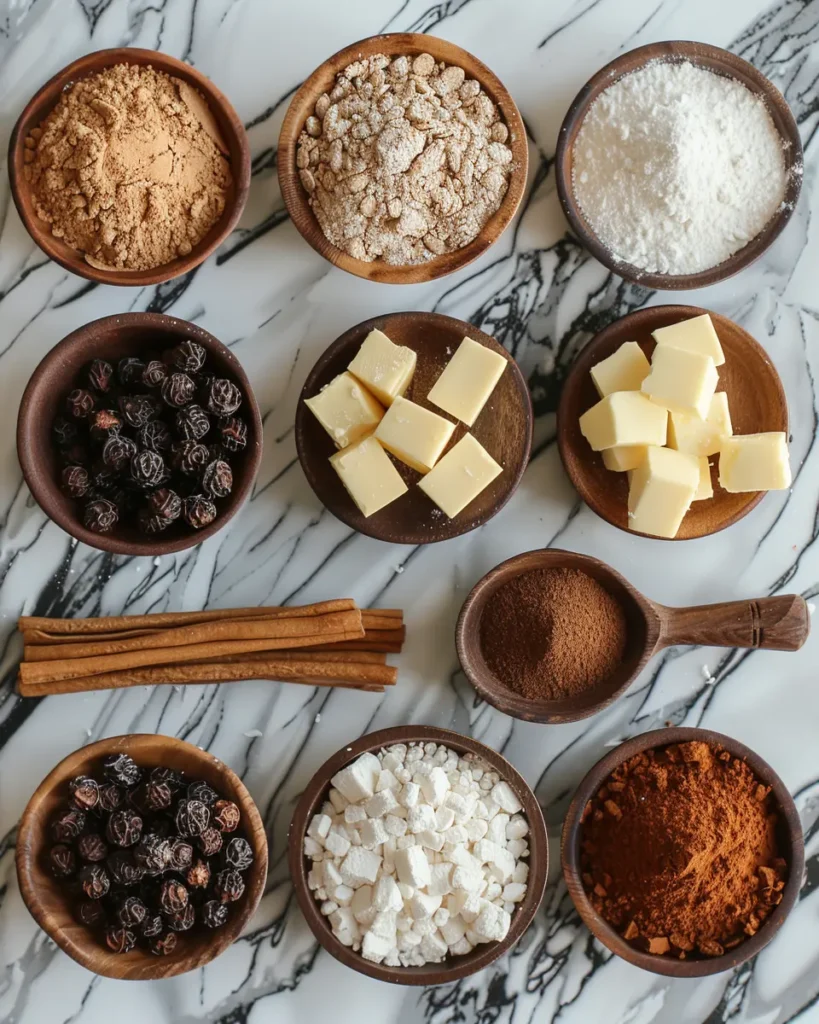
| Original Ingredient | Substitute | Adjustment Needed |
|---|---|---|
| Brown sugar (1 cup/220g) | White sugar + molasses | Add 1 tbsp (15ml) molasses per cup |
| Cake flour (1 cup/120g) | All-purpose flour | Reduce by 2 tbsp (16g) per cup |
| Vanilla extract (1 tsp/5ml) | Vanilla paste | Use half the amount (2.5ml) |
| Butter (1 cup/226g) | Coconut oil | Keep at room temperature |
What is the Secret Ingredient for Great Cookies?
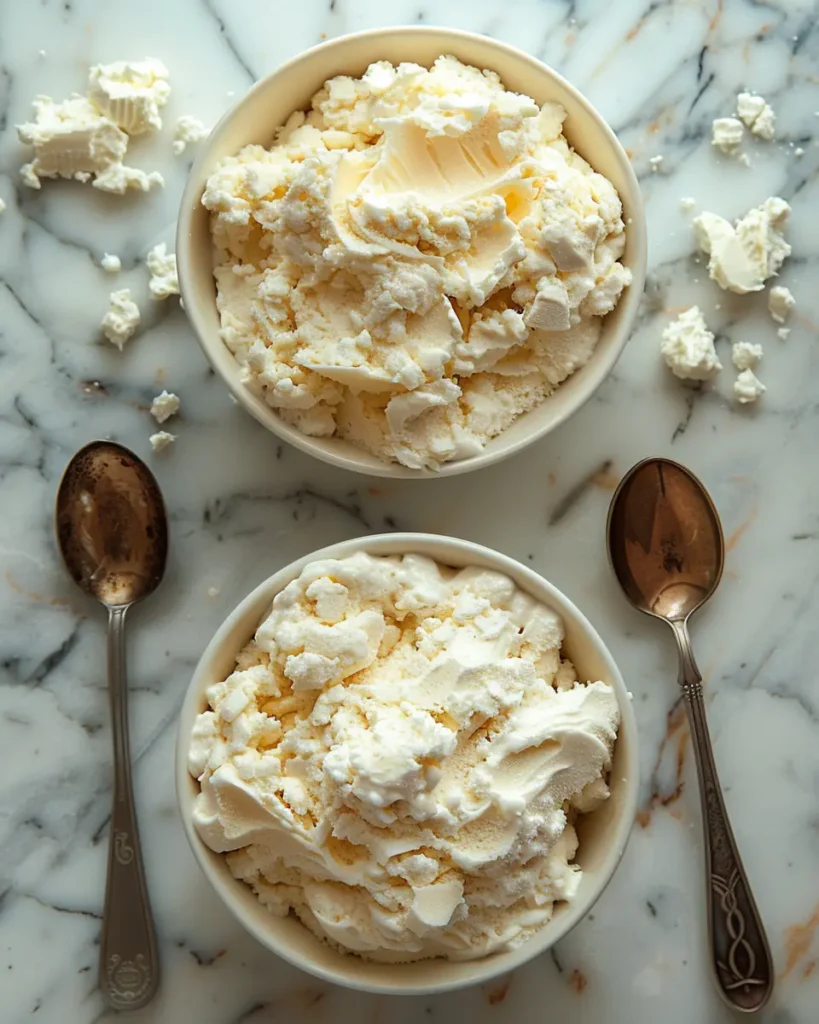
After adapting hundreds of French techniques for American kitchens, I’ve learned that the real secret behind top cookie recipes isn’t any single ingredient – it’s mastering the creaming process. This technique, which I originally learned making cookies lyonnaises, transforms ordinary ingredients into extraordinary results in all top cookie recipes.
Proper creaming incorporates air into butter and sugar, creating structure that determines final texture. The mixture should become pale yellow and noticeably fluffy, taking 3-5 minutes with a stand mixer. This technique works identically for oatmeal cookies and peanut butter cookies, though each benefits from specific timing adjustments in successful top cookie recipes.
However, if I had to name an actual secret ingredient for top cookie recipes, it’s high-quality vanilla extract. The difference between artificial and real vanilla becomes magnified in simple cookies, where each ingredient plays a starring role. This principle comes directly from my grandmother’s teaching: in simple preparations, mediocrity shows immediately.
Camille’s Tip: Many American bakers add a pinch of sea salt to their top cookie recipes, enhancing sweetness while adding complexity. This technique works beautifully in grandmas cookies, where salt highlights the vanilla and brown butter notes.
What is Michelle Obama’s Favorite Cookie?
According to the White House Historical Association, Michelle Obama frequently mentioned her family’s oatmeal chocolate chip cookies, particularly during her initiatives promoting family cooking and healthy eating. Her choice represents the perfect marriage of wholesome ingredients with indulgent comfort – exactly what defines exceptional top cookie recipes.
Oatmeal cookies possess unique textural qualities that come from oats absorbing moisture during baking, creating cookies that remain tender for days. The key technique I’ve adapted from French bread-making involves letting the dough rest for at least 30 minutes (or 2 hours for optimal results), allowing oats to hydrate fully and flavors to develop.
Mrs. Obama’s preference highlights how top cookie recipes serve as cultural bridges, often representing multiple generations of family adaptation. Her recipes likely evolved through years of personalization, much like how I’ve transformed my grandmother’s techniques for American ingredients and lifestyles.
Troubleshooting Common Oatmeal Cookie Issues
- Cookies spread too much: Chill dough for 30 minutes before baking
- Dry, crumbly texture: Add 1-2 tablespoons (15-30ml) milk to dough
- Uneven browning: Rotate pans halfway through baking
- Soggy centers: Reduce liquid ingredients by 1 tablespoon (15ml)
What is America’s Top Cookie?
Based on extensive market research from the USDA Economic Research Service, chocolate chip cookies consistently rank as America’s most consumed cookie, followed by oatmeal and peanut butter varieties. However, regional preferences create fascinating diversity across top cookie recipes collections throughout the country.
In the Midwest, where Jake’s family originated, oatmeal cookies with raisins represent comfort food heritage among beloved top cookie recipes. Southern states embrace gingerbread cookies with deep molasses flavors, while coastal regions experiment with innovative ingredients and techniques in their top cookie recipes.
What unites America’s favorite selections in top cookie recipes is their ability to evoke emotional connections rather than showcase technical prowess. The “top” cookie often becomes the one linked to cherished memories – grandmother’s kitchen, school bake sales, or holiday traditions.
This emotional connection drives my approach to creating the ultimate collection of top cookie recipes. Master these foundational techniques, and you can create any variation that becomes someone’s new treasured memory.
What is the Golden Rule in Baking Cookies?
Through fifteen years of perfecting top cookie recipes and teaching American cookie baking, I’ve identified one non-negotiable rule: never overbake. Cookies continue cooking on hot pans after removal from ovens, so they should appear slightly underdone when you pull them out.
This principle applies universally across all top cookie recipes, from cookie monster cookies to delicate windmill cookies. Visual cues include set edges with light golden color while centers remain soft and slightly glossy.
Understanding carry-over cooking revolutionized my American cookie baking and transformed my top cookie recipes collection. French cookies require complete firmness because they’re designed for crisp textures throughout. American cookies celebrate contrasting textures – crispy edges with chewy centers – achievable only through precise timing in successful top cookie recipes.
The Golden Rule extends to cooling: Rest cookies on baking sheets for exactly 5 minutes before transferring to cooling racks. This prevents breaking while allowing bottoms to finish setting properly.
What are the 5 Ingredient Magic Cookies?
Five-ingredient magic cookies represent the pinnacle of simplicity in top cookie recipes, typically combining oats, peanut butter, honey, vanilla, and mix-ins like chocolate chips to create no-bake treats using pantry staples. These became popular because they require no special equipment and use ingredients most American families keep on hand.
The “magic” happens through proper binding ratios and temperature control. From my French training with rochers (no-bake confections), I understand that success depends on achieving the right wet-to-dry ingredient balance while working at optimal temperatures.
Perfect Magic Cookie Recipe
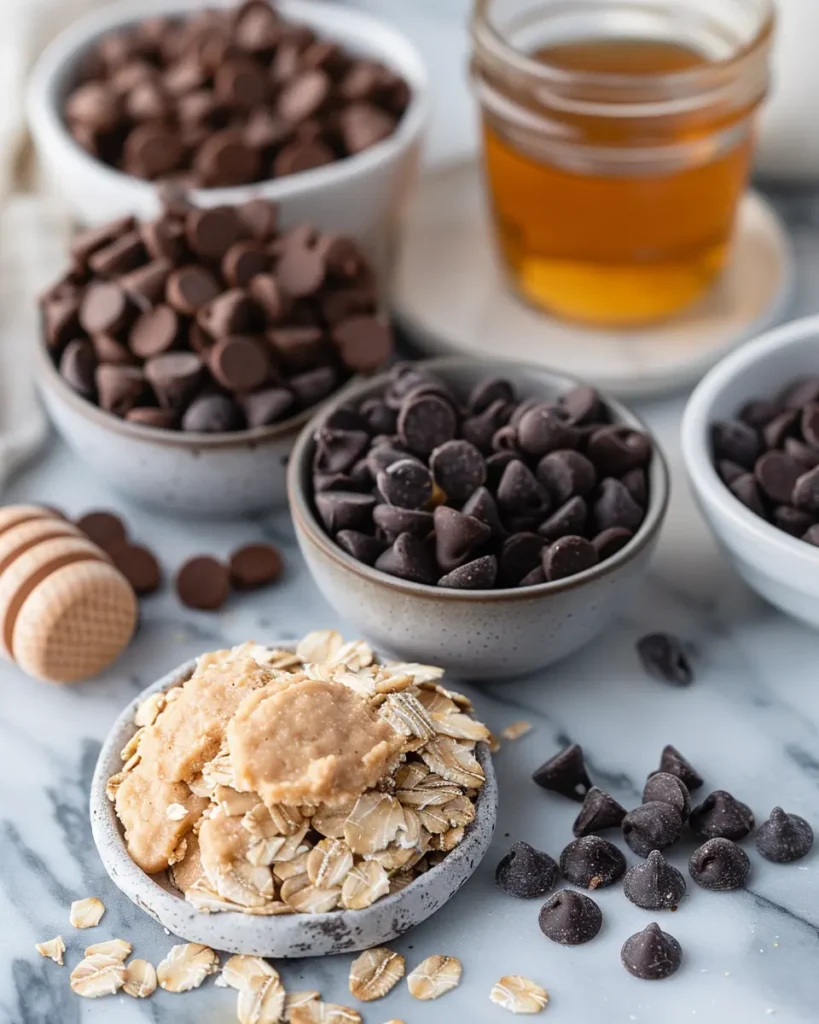
Ingredients:
- 3 cups (240g) old-fashioned oats
- 1 cup (256g) natural peanut butter
- 1/2 cup (168g) honey
- 1 teaspoon (5ml) vanilla extract
- 1/2 cup (85g) mini chocolate chips
Instructions:
- Combine oats and chocolate chips in large bowl
- Warm peanut butter and honey until easily mixable (not hot)
- Stir in vanilla extract
- Pour wet ingredients over oat mixture, combining thoroughly
- Drop spoonfuls onto parchment paper
- Refrigerate 30 minutes until set
Prep Time: 15 minutes | Chill Time: 30 minutes | Yield: 24 cookies
Advanced Cookie Techniques: French Principles for American Results
Mastering cookie fundamentals opens endless possibilities for customization and improvement in your top cookie recipes arsenal. These techniques work whether you’re making best chocolate chip cookies or experimenting with 3 ingredient sugar cookies.
Temperature Control Mastery (18-21°C/68-70°F): Room temperature butter creams properly, creating necessary air incorporation for ideal texture in top cookie recipes. Cold eggs can cause butter to seize, while overly warm eggs create greasy dough that spreads excessively during baking.
Mixing Method Excellence: The creaming method builds structure in cookies requiring lift and tenderness, while melt-and-mix methods create denser, fudgier results perfect for brownie-style variations in diverse top cookie recipes collections.
Flour Handling Precision: Overmixing develops gluten, resulting in tough cookies. Add flour just until incorporated, using gentle folding motions I learned creating French pastries.
Camille’s Tip: Each cookie type teaches valuable lessons about ingredient interactions and baking science that apply across all top cookie recipes. Master one category thoroughly, and you’ll understand the principles behind all others.
Cookie Variations and Flavor Development
Understanding how to modify basic recipes creates endless possibilities in developing top cookie recipes. Oatmeal varieties benefit from briefly soaking oats in vanilla, enhancing flavor while improving texture through hydration. Peanut butter cookies achieve their distinctive texture through protein structures that behave differently than traditional fats during baking.
For seasonal variations in top cookie recipes, gingerbread cookies demonstrate how spices interact with molasses to create complex flavors that develop during baking. The secret lies in allowing dough to rest overnight, permitting spices to bloom and flavors to meld – a technique borrowed from French spice cake preparations.
Professional Storage and Serving Strategies
Proper storage maintains cookie quality for maximum enjoyment in your top cookie recipes collection. Soft cookies stay tender when stored with bread slices, while crispy varieties maintain texture in airtight containers with rice packets. These techniques, adapted from French pastry storage methods, ensure your cookies remain perfect for days.
Understanding which varieties from your top cookie recipes freeze successfully helps with meal planning. Most cookie doughs freeze beautifully, allowing fresh-baked cookies anytime – a practical adaptation perfect for busy American families juggling multiple responsibilities.
Creating Lasting Cookie Memories
The best examples in any collection of top cookie recipes transcend mere technique – they create memories that last lifetimes. Whether you’re teaching children to make traditional family cookies or surprising friends with innovative creations, joy comes from the process as much as the results.
In our Chicago kitchen, where French precision meets American warmth, every batch from my top cookie recipes tells a story. Some days involve adapting classics for school events; other days mean perfecting simple three-ingredient varieties for unexpected guests.
Cookie baking’s beauty lies in its accessibility and adaptability. These top cookie recipes welcome experimentation while providing reliable foundations for success. Whether you’re a beginning baker or experienced cook refining your skills, mastering these fundamentals opens doors to endless delicious possibilities.
Frequently Asked Questions
Why do my cookies always turn out flat and spread too much during baking?
Cookie spreading usually results from butter that’s too warm or insufficient chilling time. Chill your dough for at least 30 minutes before baking, and ensure butter is at proper room temperature (18-21°C/68-70°F) when mixing. Also check that your baking powder is fresh – expired leavening agents can cause spreading. This issue affects many top cookie recipes, but proper technique prevents it.
How can I make my cookies more chewy versus crispy?
Chewy cookies require higher moisture content and slightly underbaking. Use more brown sugar than white sugar (brown sugar contains molasses, adding moisture), slightly underbake by 1-2 minutes, and store cookies with a slice of bread to maintain moisture. For crispier results in your top cookie recipes, use more white sugar and bake until edges are golden.
What’s the best way to measure flour for consistent cookie results?
The most accurate method is weighing flour (1 cup = 120g), but if using cups, spoon flour into the measuring cup and level with a knife. Never scoop directly with the cup or pack flour down, as this adds too much flour and creates dense, dry cookies. Consistent measurement is crucial for reliable top cookie recipes.
Can I substitute different types of chocolate chips in cookie recipes?
Absolutely! Dark chocolate chips create more intense flavor, white chocolate adds sweetness, and mini chips distribute more evenly throughout dough. You can also chop chocolate bars for irregular pieces that create interesting textures. Just maintain the same total chocolate amount across all your top cookie recipes variations.
How long can I store cookie dough in the refrigerator or freezer?
Most cookie dough keeps 3-5 days refrigerated or up to 3 months frozen. Wrap dough tightly in plastic wrap or store in airtight containers. Frozen dough from your top cookie recipes can often be baked directly from frozen, adding 1-2 extra minutes to baking time.
Why do my cookies sometimes turn out too sweet or not sweet enough?
Cookie sweetness depends on sugar balance and other ingredients. Brown sugar adds molasses flavor and moisture, while white sugar creates crispness and pure sweetness. Adjust ratios to preference, and remember that add-ins like chocolate chips or dried fruit contribute additional sweetness to your top cookie recipes.