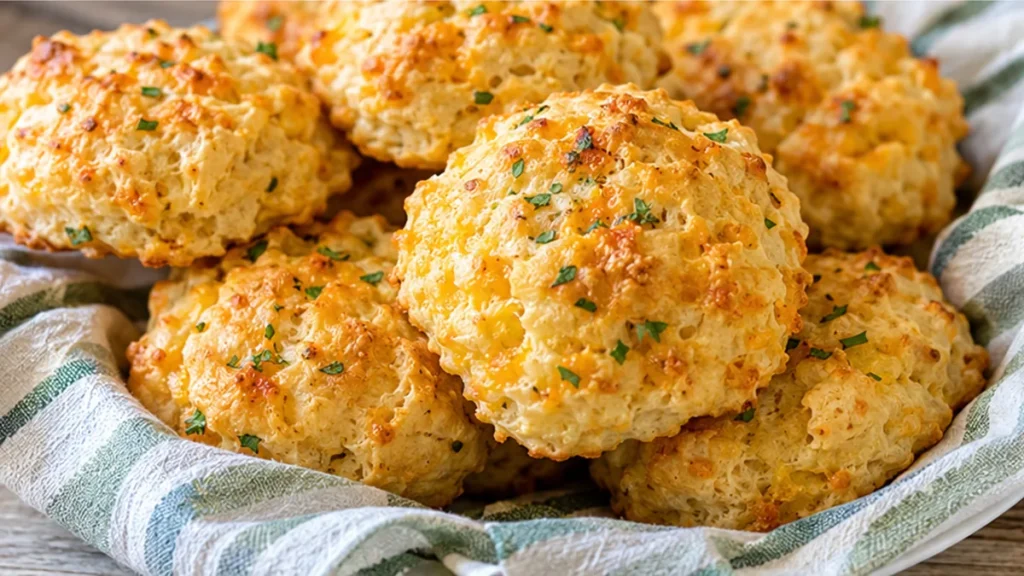
Experience the ultimate gluten-free indulgence with these incredible Cheddar Bay Biscuits. Inspired by the beloved restaurant classic, this recipe delivers all the cheesy, garlicky, fluffy goodness without any gluten. Perfect for beginners and seasoned bakers alike, these biscuits are surprisingly simple to whip up, making them ideal for a quick weeknight side or a crowd-pleasing appetizer. Get ready to impress your palate!
Key takeaways
- Keep ingredients cold for flaky layers.
- Mix wet and dry ingredients minimally.
- Use fresh leavening agents for proper rise.
- Bake in a hot oven until golden brown.
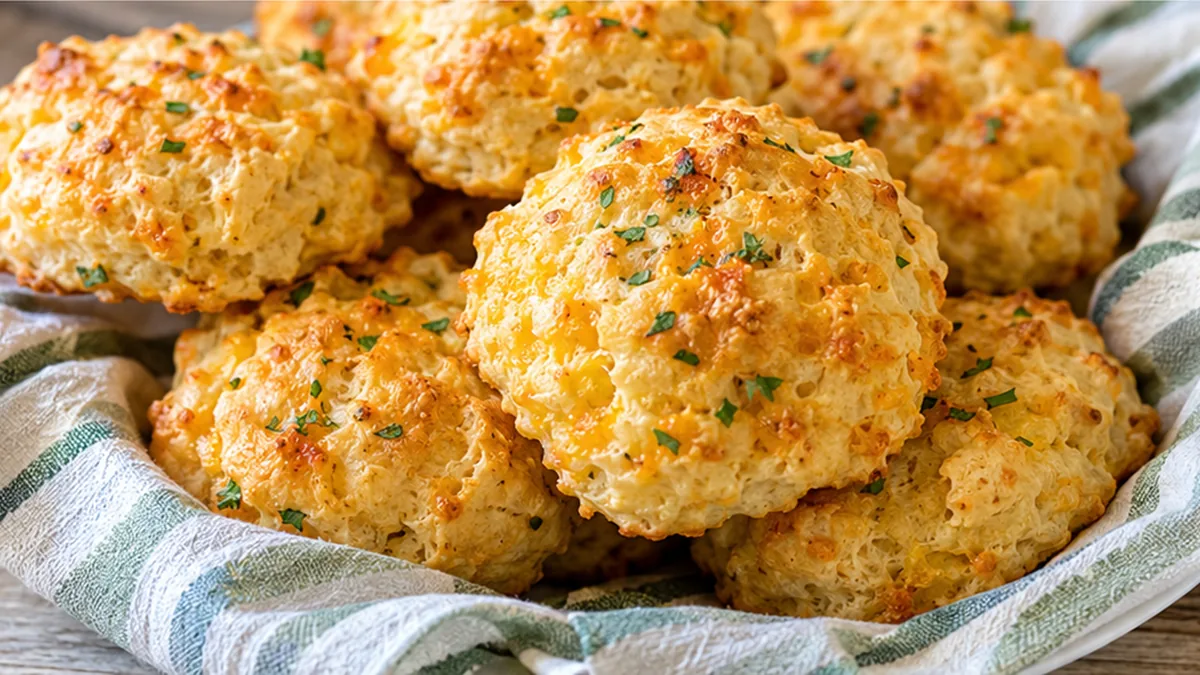
Cheesy Garlic Biscuits! GF & Delicious!
Ingredients
Method
- In a large bowl, whisk together the gluten-free flour, xanthan gum (if using), baking powder, baking soda, garlic powder, and salt.
- Cut in the cold butter using a pastry blender until the mixture resembles coarse crumbs.
- Stir in the shredded cheddar cheese and create a well in the center.
- Pour the buttermilk and egg into the well and gently stir just to combine until a thick and sticky dough forms.
- Lightly flour a piece of parchment paper and place the dough on top.
- Lightly dust the dough with additional flour and flatten it into a rectangle about 1 inch thick using your fingers.
- Gently fold the dough in half, adding just enough flour if necessary to make it manageable.
- Fold the dough in half again.
Notes
– Don’t overmix the dough; a slightly sticky dough is key.
– For extra cheesy flavor, use a sharp cheddar and consider adding a pinch of cayenne. Allergens: Milk, Eggs, Wheat. Nutrition information is an estimate, calculated automatically. Values vary with brands, substitutions and portion sizes.
The technique that makes it
The magic behind truly exceptional cheddar bay biscuits, whether gluten-free or traditional, lies in a few key techniques that ensure a tender crumb and a delightful rise. First, the fat – in this case, cold unsalted butter – must be kept very cold. Cutting the cold butter into the dry ingredients until it resembles coarse crumbs is crucial. This creates small pockets of butter throughout the dough. When the biscuits bake, these pockets melt, releasing steam that helps the biscuits puff up and creates flaky layers. Overworking the dough after adding the liquid will develop the gluten structure (even in a GF blend, there’s a balance to strike) and can lead to tough, dense biscuits.
The use of cold buttermilk is equally important. Buttermilk’s acidity reacts with the baking soda to provide lift, and its coolness contributes to keeping the butter solid until baking. The egg acts as a binder and adds richness. When combining the wet and dry ingredients, mix just until barely combined. A slightly shaggy dough is preferable to a perfectly smooth one. Overmixing will melt the butter and create a tough texture. For gluten-free baking, the xanthan gum is essential for providing the elasticity and structure that gluten typically offers. Ensure it’s evenly distributed with the dry ingredients before adding wet ingredients.
Finally, the baking temperature and time are critical. A hot oven (typically 400-425°F or 200-220°C) is needed for a quick rise and a golden-brown exterior before the interior overcooks. These biscuits are meant to be enjoyed fresh, as their texture is best within a few hours of baking.
Troubleshooting
- Problem: Biscuits are tough and dense.
Fix: You likely overmixed the dough after adding the wet ingredients. Mix only until just combined, leaving a slightly shaggy texture. Ensure your butter was cold and cut in properly. - Problem: Biscuits did not rise well.
Fix: Check the freshness of your baking powder and baking soda; they lose potency over time. Ensure your buttermilk was cold and that the oven reached the correct temperature before baking. - Problem: Biscuits are dry and crumbly.
Fix: This can happen if the dough is too dry. Ensure accurate measuring of flour and liquid. You might need a touch more buttermilk if your GF flour blend is particularly absorbent. Avoid overbaking. - Problem: Biscuits have a gummy texture.
Fix: This is often a sign of underbaking or an imbalance in the GF flour blend. Ensure they are baked until golden brown and a toothpick inserted comes out clean. Double-check the xanthan gum measurement.
Substitutions
- Flour Blend: If you don’t have a pre-made gluten-free all-purpose flour blend, you can create your own. A common ratio is 1.5 cups white rice flour, 0.5 cup tapioca starch, and 0.25 cup potato starch, plus the xanthan gum. The results may vary slightly depending on the specific blend used.
- Buttermilk: You can make a buttermilk substitute by adding 1 tablespoon of lemon juice or white vinegar to 1 cup of milk (dairy or non-dairy), letting it sit for 5-10 minutes until slightly curdled. This provides the necessary acidity for leavening.
- Butter: Cold vegan butter or shortening can be used in place of unsalted butter. This will alter the flavor slightly but should still yield a tender biscuit. Ensure it is well-chilled.
- Cheddar Cheese: While sharp cheddar provides the classic flavor, other hard, flavorful cheeses like Gruyère or Monterey Jack can be substituted. A blend of cheeses can also be used for added complexity.
Pro tips
- Ensure your butter and buttermilk are very cold for the best texture.
- Don’t overmix the dough; a slightly sticky dough is key.
- For extra cheesy flavor, use a sharp cheddar and consider adding a pinch of cayenne.
Enjoy these irresistible gluten-free Cheddar Bay Biscuits as a delightful accompaniment to your favorite meals or as a standalone snack. Experiment with different cheeses for a unique twist!
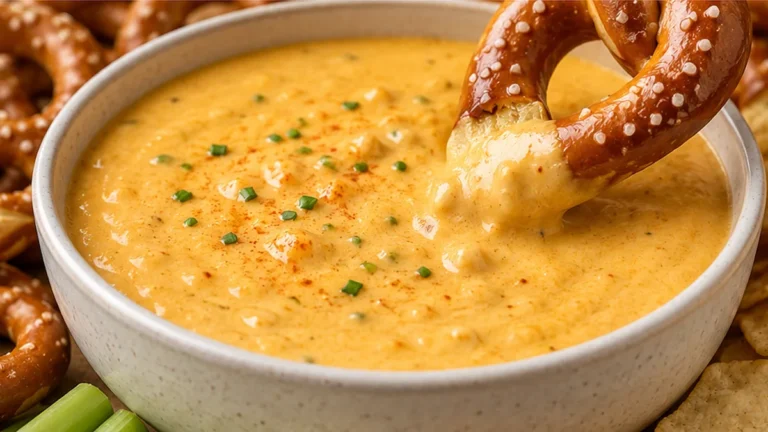
Try this next: Gluten-Free Beer Cheese Dip Recipe
More from Gluten-Free Snacks & Sides →
Frequently asked questions
Can I make cheesy garlic biscuits ahead of time?
Yes, you can prepare the dough up to 24 hours in advance. Store it covered in the refrigerator. When ready to bake, let the dough sit at room temperature for about 30 minutes before shaping and baking as directed. This ensures they bake evenly and have the best texture.
What gluten-free flour blend works best for these biscuits?
A good all-purpose gluten-free flour blend that contains xanthan gum is recommended. Brands like Bob’s Red Mill 1-to-1 Baking Flour or King Arthur Gluten-Free Measure for Measure Flour tend to yield excellent results. Ensure your blend is designed for baking to achieve the right consistency.
How do I know when the cheesy garlic biscuits are done baking?
The biscuits are done when they are golden brown on top and around the edges. You can also insert a toothpick into the center; it should come out clean or with a few moist crumbs attached. They should feel firm to the touch.
How should I store leftover cheesy garlic biscuits?
Store cooled biscuits in an airtight container at room temperature for up to 2 days. For longer storage, you can freeze them. Wrap them tightly in plastic wrap and then in foil. Reheat gently in the oven or a toaster oven to restore crispness.